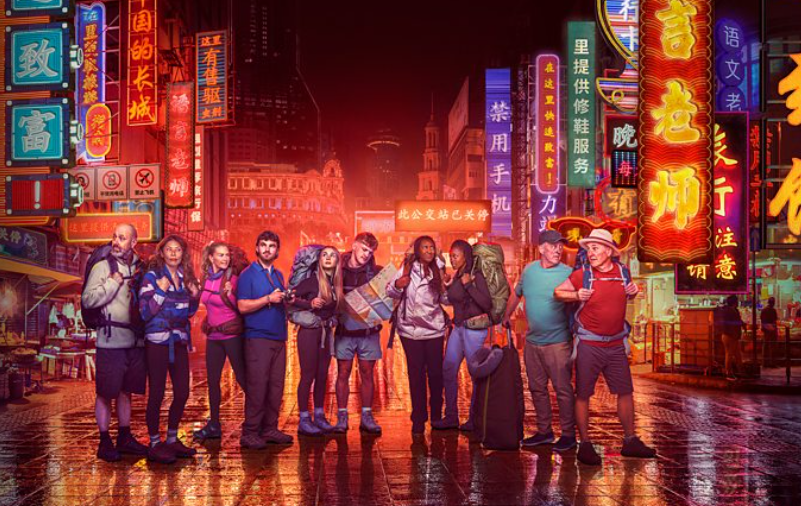
The BBC series Race Across the World is one of those rare programmes that can get anyone hooked, no matter their age. Whenever I see a show like that, I always find myself wondering: Could I use this in the classroom?
The short answer: Absolutely yes.
Not only is it entertaining and accessible, but it also shows real people struggling to communicate across cultures, without a shared language. The brilliant twist? It’s English speakers grappling with communication barriers, which can be a powerful reversal for multilingual learners used to being in that position themselves.
✈️ Setting the Scene: Real-World Language Learning
My learners, aged 10–14 and from a range of countries, had English levels between A2 and B2. To introduce the project, we began with an episode of the show. Before watching, I explained the overall concept and introduced the five teams featured. We also discussed some key vocabulary to help them follow the action.
Students then watched a full, one-hour episode with subtitles. Afterwards, they worked in small groups to talk about what they’d seen. I always like to give students time for free-flowing discussion before asking targeted questions. This helps build confidence, ownership, and connection.
At this stage, they still didn’t know what was coming. As far as they were concerned, we had just done a listening comprehension task.
If only they knew what was next…
🛫 From Classroom to Cockpit
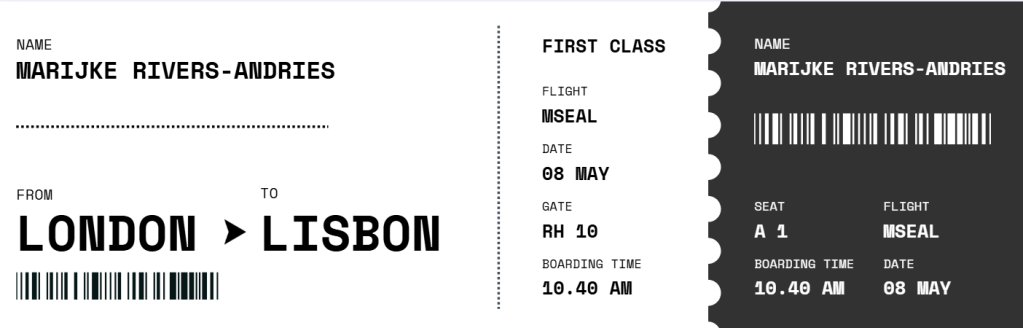
By the next lesson, I had transformed the classroom into a departure lounge. Boarding signs were up, airport background noise played on Spotify, and I was dressed as a flight attendant.
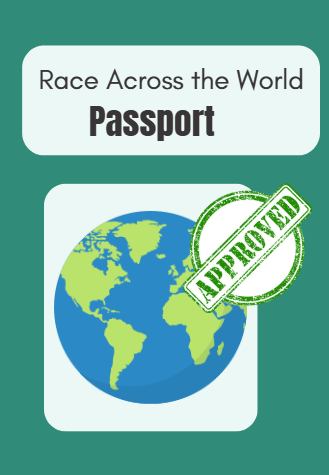
Each student received an envelope with a passport and a boarding pass. The seats on the boarding passes were carefully chosen so each student would be sitting next to their partner for the next stage of the project.
Once everyone was “on board” (with the usual delays!), I played a short in-flight video explaining their mission.
🧭 The Challenge: From Lisbon to Tokyo
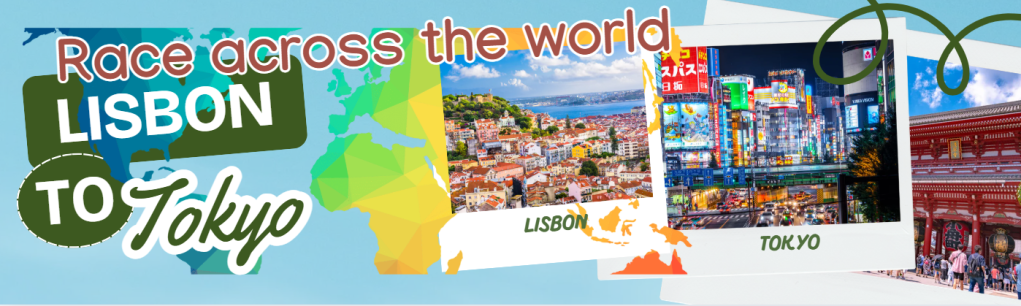
“You are travelling from Lisbon (Portugal) to Tokyo (Japan). You must find the fastest and cheapest way to get there. Along the way, you’ll stop in five places to see the sights.
Track all your costs, meals, transport, accommodation, sightseeing, and keep a passport log with the countries you visit, new words you learn, and cultural experiences you discover. The group that reaches Tokyo fastest and spends the least wins!”
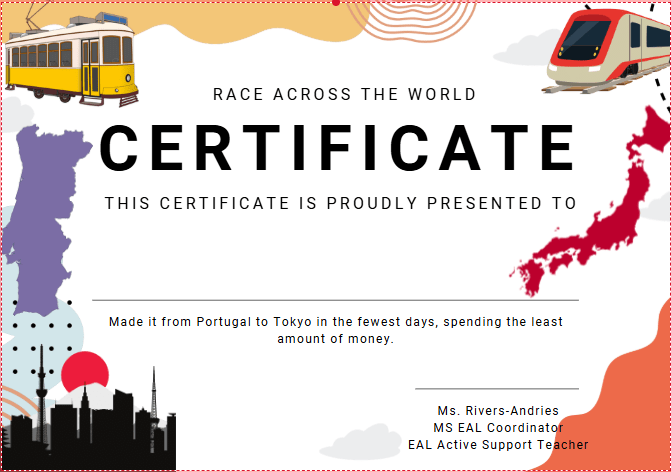
Each group planned their route, created a travel plan, and presented their journey to the class. Together, we decided on a winner and, much to everyone’s excitement, they received a certificate and medal!
🗺️ Why This Worked
This lesson brought together:
- Authentic, high-interest content
- Real-life language use (budgeting, geography, cultural learning)
- Collaborative learning and critical thinking
- Confidence-building through roleplay and presentation
It gave students the chance to experience what it means to use English in real-world, meaningful contexts and to see that language learning can be playful, dynamic, and deeply human.
💡 Final Thoughts
Race Across the World turned out to be a perfect backdrop for a lesson that connected language, geography, teamwork, and creativity. For multilingual learners, it offered a unique chance to flip the narrative, to see English speakers navigating the very same communication challenges they face every day.
I’m always looking to create more inclusive, learner-centred materials like this. If you’re an EAL publisher or educator interested in collaborating, feel free to get in touch.
If you are an educator interested in the lesson plan and materials to create this session in your own classroom, feel free to contact me!

Leave a comment