At the start of every school year, I used to come back to the same question: What makes a student feel like they truly belong?
I thought back to a multilingualism conference I attended in London where two teachers presented on “Language of the Week”. It was a powerful presentation with a very important message. It was then that I realised that I could use this experience to answer my own question of belonging.
The most powerful answer is language. I’ve seen firsthand how a simple greeting in a student’s home language can light up their face, a tiny moment that says, I see you. That’s why I have created the “Language of the Month” initiative to kick off the school year. It started as something small, just me, trying to greet students in their language. But over time, it grew. Staff joined in. Students got involved. The energy shifted. Suddenly, the school felt that little bit more connected, more joyful, and more inclusive.
At the heart of everything I do is the belief that language is not a barrier, it’s a bridge. “Language of the Month” has become one of my favourite ways to build that bridge from the very first day of term.
How to Get Started
You don’t need a big budget or lots of extra time, just a bit of intention and a willingness to celebrate what’s already in your school community.
Start with a language that is already spoken by students or staff. This not only makes it easier to model pronunciation but also shows students that their home language is valued and visible. Invite a colleague or student to help you introduce it at an assembly or in tutor time.
Create posters and displays that introduce three simple phrases — hello, goodbye, and thank you — along with phonetic spellings and translations. Put them up around the school: in classrooms, corridors, the canteen, and reception areas.
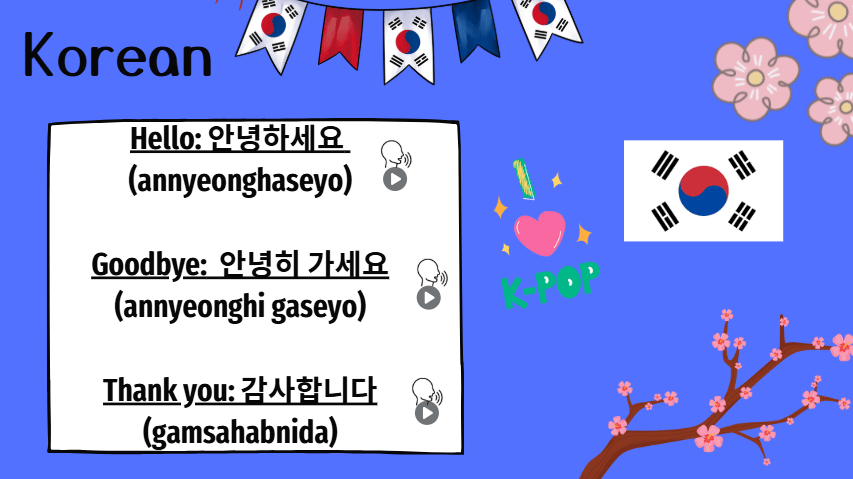
And when you do, make sure the posters reflect the global nature of the language.
For example, if you’re focusing on French, don’t just use the flag of France. French is spoken across West and Central Africa, the Caribbean, parts of Canada and beyond. If you’re celebrating Arabic, reflect its use across multiple countries and continents. This matters because when we only represent a language with a single national flag, we unintentionally exclude many students who speak it. Every student deserves to feel seen.
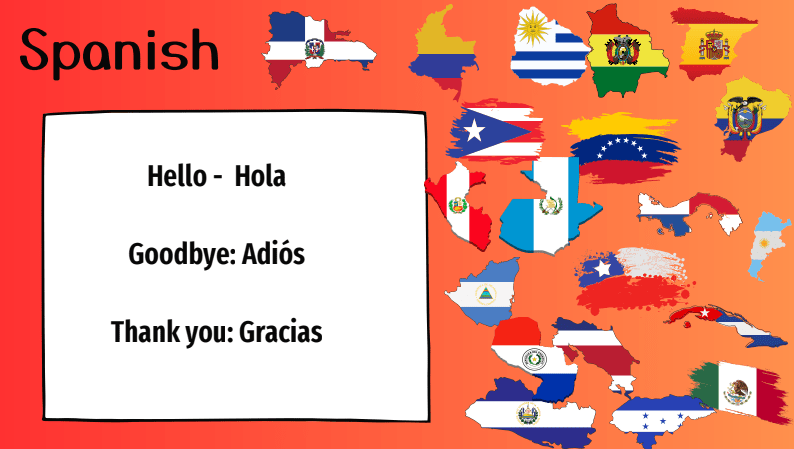
Make It Part of the School Culture
- Greet students in the featured language at the door.
- Include the language on your classroom displays or whiteboard.
- Ask the canteen to add a dish or snack from one of the countries where the language is spoken, even just once during the month.
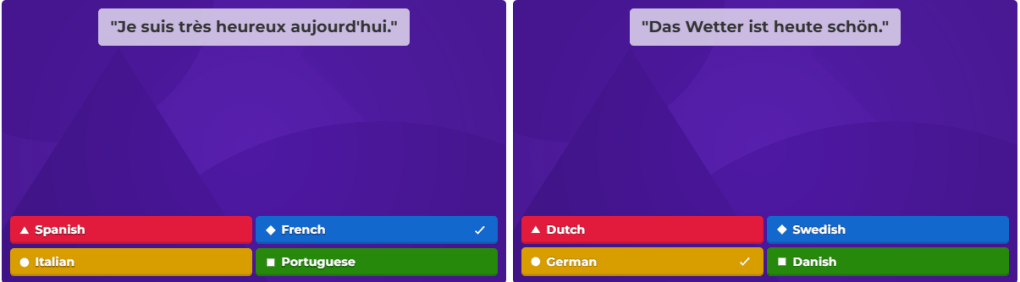
- Build in fun: use Kahoots, quizzes, or short language games during tutor time or language lessons.
Hand It Over to Students
Once the routine is in place, students will start to suggest what comes next. That’s when the real magic happens:
- Ask students which languages should be featured and why.
- Invite them to help design the posters or record audio clips.
- Support them to present in assembly or lead a language game with their peers.

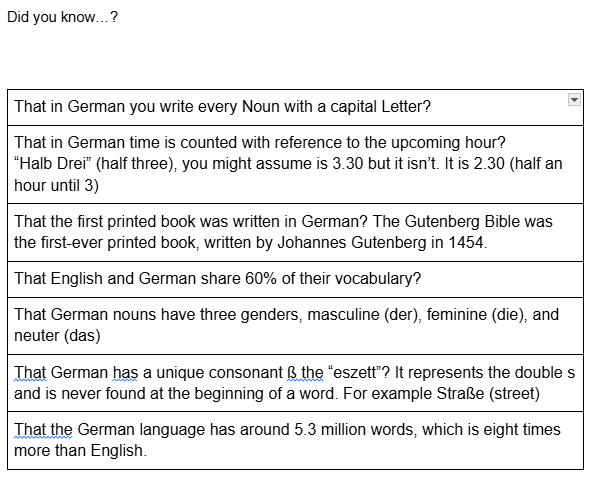
This isn’t just about learning a few words. It’s about creating a school culture where multilingualism is normalised and celebrated, where students’ identities aren’t something they leave at the school gate, but something that’s welcomed, shared, and valued.
Ready to Get Started?
Whether you begin with one poster or a whole-school launch, the most important thing is to start. Choose a language, learn a greeting, and model the celebration of linguistic identity. Inclusion doesn’t need to be complex, it just needs to be intentional. So why not make this September the moment your school starts speaking the languages your students already carry with them? Let them hear it, see it, and feel it. You’ll be amazed at the sense of pride and connection it can build, one greeting at a time.

Leave a comment