
When a newly arrived student walks into school for the first time, everything feels unfamiliar; the building, the routines, the language. For multilingual learners, it can also feel like their identities are invisible the moment they step inside.
I’ve seen this first-hand: the difference it makes when a child spots their language on a sign, or notices their culture represented in a display. Their face changes because they feel seen.
And research backs this up. Studies show that when students encounter their languages in the school environment, it makes them feel
more comfortable, valued, and included.
Beyond Translation
Often, schools think about home languages only in functional ways such as translating key vocabulary so students can find their way around. While this is helpful, it’s only the starting point.
True inclusion means going beyond translation. It’s about making languages and cultures visible every day, in ways that say to students:
you belong here.
Why Symbols Matter
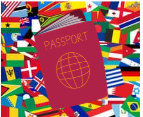
Symbols are powerful. A welcome sign in every language represented in the school, or a display of flags chosen by students themselves, can send a strong message of respect. But we also need to be careful. Symbols like flags can unite, but they can also divide if they’re used without care. For example, one flag doesn’t always tell the whole story of someone’s identity. That’s why it’s so important to ask students how they want to be represented. Identity is personal and complex, it isn’t just about passports.
Getting It Right and Fixing It Fast
Mistakes happen: a misspelt word, a missing accent mark, or the wrong flag. To a student, these small errors can feel like their identity has been overlooked. What matters is how the school responds. Correcting mistakes quickly, and making sure students know who they can tell if they spot one, shows that their identities are valued.
Language as Belonging
Visibility isn’t just about what’s on the walls, it’s also about what’s allowed in the classroom. More and more research highlights the benefits of translanguaging, letting students draw on all of their languages in learning.
Students feel respected, supported, and important
When we allow students to bring all their languages into the classroom, we’re not just helping them learn. We’re telling them:
your whole identity is welcome here.
From Symbol to Substance
Representation isn’t about ticking boxes. A welcome poster or a set of flags is only meaningful if it’s backed up by inclusive practices in classrooms. This is what researchers call culturally relevant teaching, affirming students’ cultural backgrounds while also supporting academic success. Pairing visibility with inclusive pedagogy creates an environment where every student can thrive.
Key Takeaways
- Make all languages visible. Use signage, displays, and resources that reflect your community.
- Ask, don’t assume. Let students choose how they want to be represented.
- Fix mistakes quickly. Show students their identities matter.
- Support multilingual learning. Encourage students to use their home languages alongside English.
- Create identity-safe spaces. Provide daily signals that every culture and language belongs.
When schools take these steps, they create more than a welcoming environment. They build a culture of respect, a place where every child can walk in and know:
I belong here.


Leave a comment